Reading style
Why You Should Never Use Rat Poison: The Hidden Costs
Rodenticides can create secondary poisoning and home-safety risks. Use trapping, exclusion, and sanitation before toxic baiting.


When traps fail, many homeowners consider poison as a shortcut.
But toxic bait often introduces new risks for pets, wildlife, and indoor living spaces.
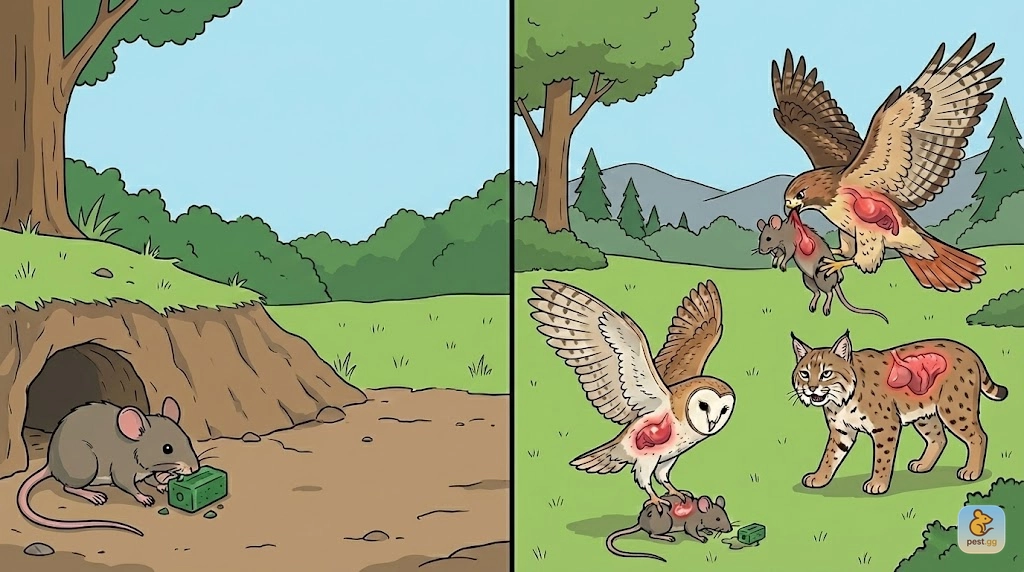
The Secondary Poisoning Problem
Some rodenticides can expose non-target animals through primary or secondary pathways.
EPA and extension guidance both address these risks, including impacts to pets and wildlife when poisoned rodents are consumed. [1][2][3]
That means one control action can propagate harm beyond the original target.
The "Dying in Walls" Operational Risk
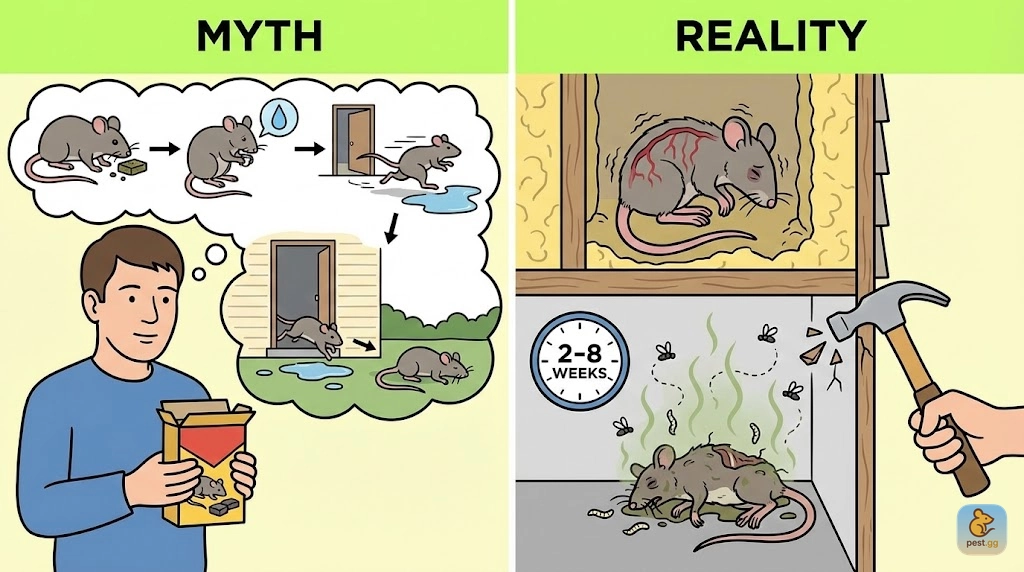
Baiting does not guarantee where a rodent dies.
When carcasses end up in voids, odor and sanitation issues can become a second problem for the household.
Removing hidden carcasses can require invasive access and repeated cleanup.
Business and Reputation Risk
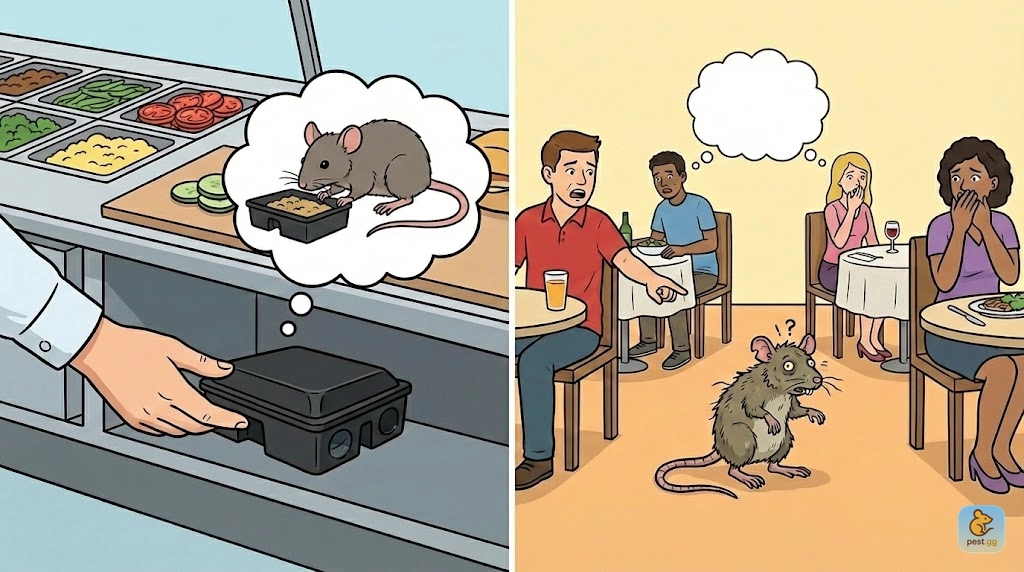
For retail or food-service spaces, toxic exposure events and visible sick rodents create major public-facing risk.
Even without regulatory action, one incident can damage trust quickly.
For these settings, prevention and rapid mechanical removal are usually safer operational choices.
Domestic Hazard to Children and Pets
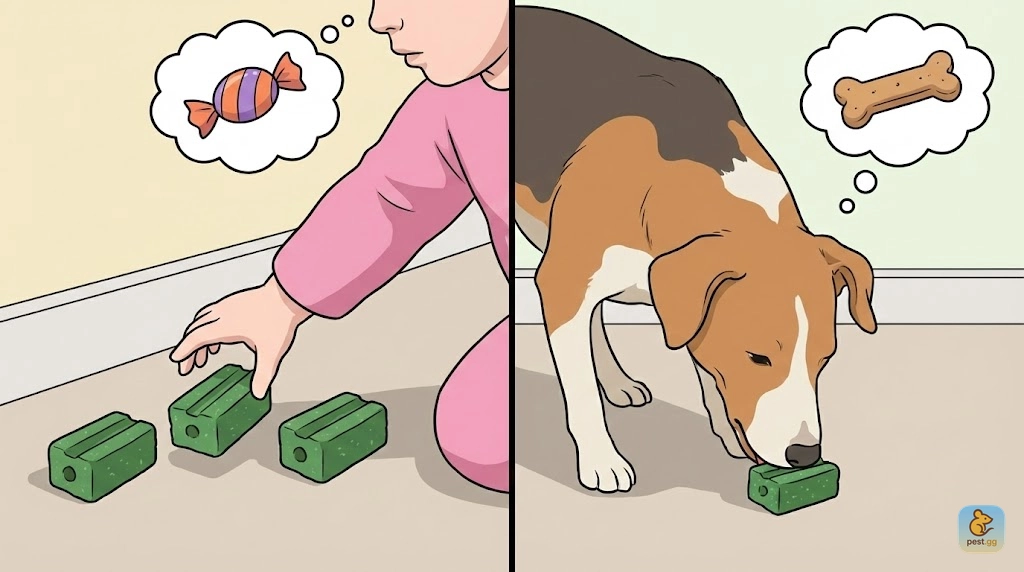
Rodent baits remain toxic products and must be used exactly per label.
Accidental ingestion can require urgent poison-center or veterinary response. [3][4]
Even with bait stations, misuse or tampering can still create exposure risk.
Why Poison Alone Is Not a Complete Strategy
Poison does not close entry points.
If structural gaps remain open, reinvasion pressure continues.
That is why long-term control relies on exclusion plus trapping, not bait alone. [3][5][6]
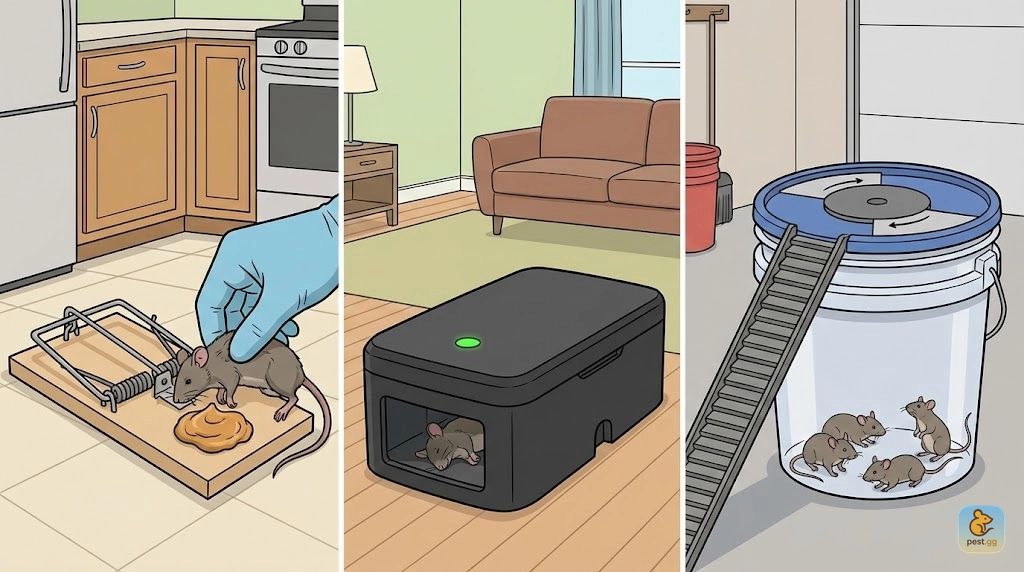
Safer Alternatives
Snap Traps
Fast, inexpensive, and easy to monitor.
You know exactly when and where capture occurred.
Electronic Traps
Useful for enclosed handling and reduced direct contact.
Still require routine checks and cleaning.
Bucket Systems (High-Volume Mouse Activity)
Practical in garages/sheds when configured correctly.
Need frequent checks and proper lure positioning.
Exclusion
Seal entry points, remove attractants, and keep sanitation pressure.
CDC guidance includes steel wool plus sealant for small gaps. [6]
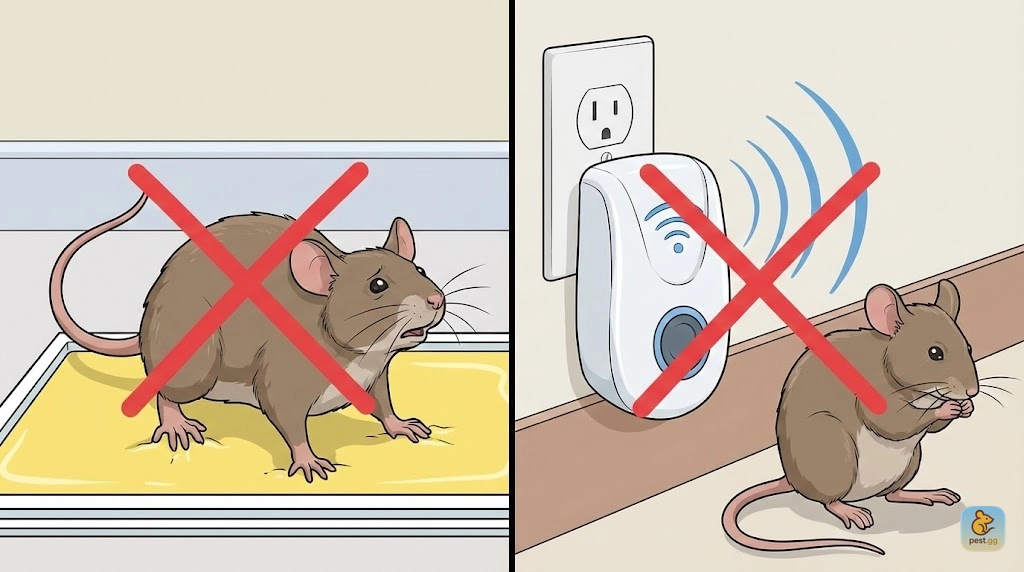
What to Avoid
Glue Traps
UC IPM notes glue boards are difficult to use effectively and generally not recommended for nonprofessional household use. [3]
Sound-Only Repellers
Rodents can adapt to repeated noise; deterrence alone is usually insufficient. [3]
Conclusion
Rodenticides should never be treated as an easy default.
For most homes, better outcomes come from a controlled sequence:
identify activity, trap actively, clean safely, and seal access points. [3][5][6]
References
—
Responses (0)
Loading comments...


