Reading style
New Way to Catch Mice: The "False Floor" Trap
Learn the best mouse trap strategy: The False Floor. A humane, new way to catch mice that outsmarts pests better than snap traps. Easy to set with peanut butter.


New Way to Catch Mice: The "False Floor" Trap
Learn the best mouse trap strategy: The False Floor. A humane, new way to catch mice that outsmarts pests better than snap traps. Easy to set with peanut butter.
1. Select a clean 5-gallon (19 L) bucket.
Standard hardware store buckets (about 15 inches / 38 cm tall) are ideal.
- Ensure the bucket does not smell of strong chemicals or bleach, which might deter the mouse.
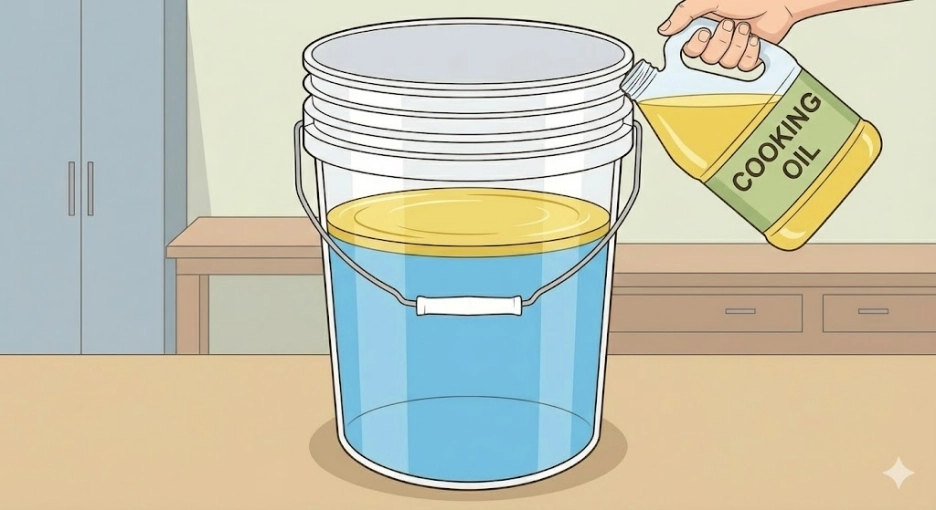
2. Create a liquid base (60% Height).
Fill the bucket with water until it reaches about 60% of the bucket's height. Then, pour in a thin layer of cooking oil (vegetable or canola) to completely cover the water surface.
- Why 60%?
- This specific height is crucial. It is deep enough that the mouse cannot jump off the bottom, but low enough that when they stand on the edge, the water looks like a "reachable" floor, deceiving their depth perception.
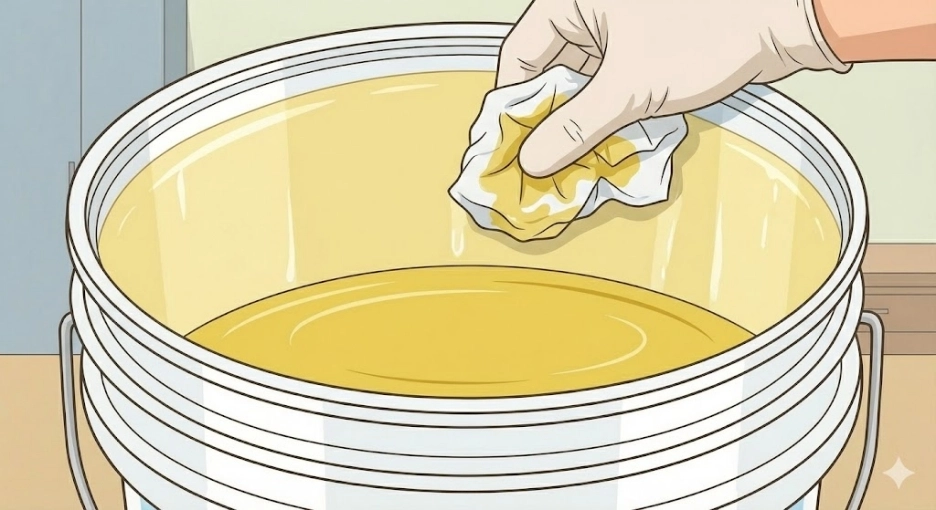
3. Grease the inner walls of the bucket.
Dip a paper towel into the oil and wipe it generously around the inside rim and walls of the bucket, stopping just above the water line.
- This creates a slippery barrier. Even if the mouse tries to jump or climb, the oil prevents it from getting traction.
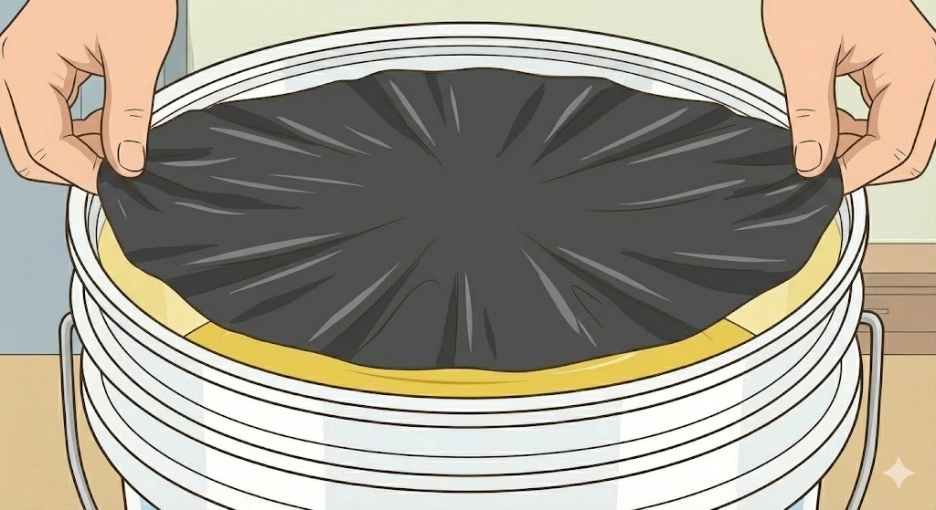
4. Float a wrinkled black plastic bag.
Take a standard black plastic trash bag (the kind that is naturally a bit crinkled or textured is best). Cut it into a round circle slightly larger than the bucket's diameter. Gently place it on top of the oil layer.
- Texture Matters:
- Do not smooth it out perfectly. The natural wrinkles and folds of the trash bag look like uneven ground or garbage to a mouse, making it feel more natural to step on than a perfectly flat sheet.
- The Mechanism:
- Because it is a soft bag, when the mouse steps on it, the plastic won't just flip—it will crumple and fold up around the mouse as they sink, offering zero support for them to jump back off.
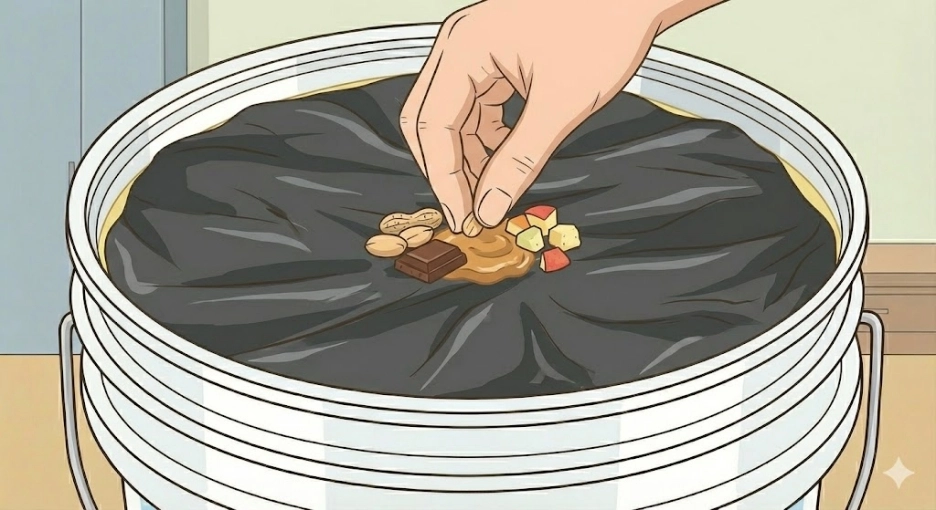
5. Place a "Buffet" of bait in the center.
In the exact center of the floating plastic, place a small pile of mixed baits. You want a variety to trigger different cravings.
- The Mix:
- Use a combination of peanuts, a piece of chocolate, a smear of peanut butter, and small chopped pieces of fresh fruit.
- Why this works:
- Some mice want protein, some want sugar, and some (especially in dry houses) are desperate for moisture from the fruit. This mix catches them all.
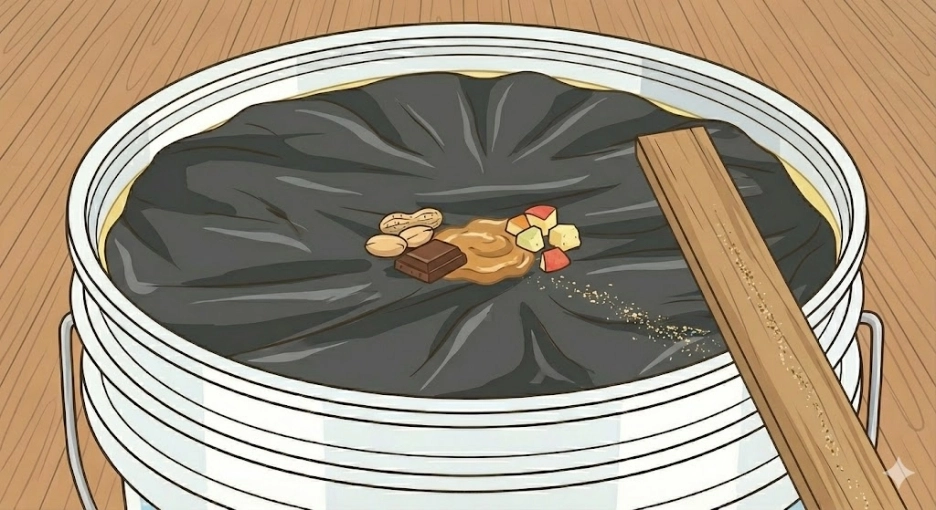
6. Set up a ramp with minimal bait.
Simply lean a piece of wood, a yardstick, or a stack of books against the edge of the bucket rim.
- Crucial Step:
- Place only a tiny, tiny amount of bait on the ramp. Just a crumb or a smear.
- Warning:
- If you put too much food on the ramp, the mouse will eat its fill outside and leave. You want them to be hungry and motivated enough to jump onto the black plastic for the "main course."
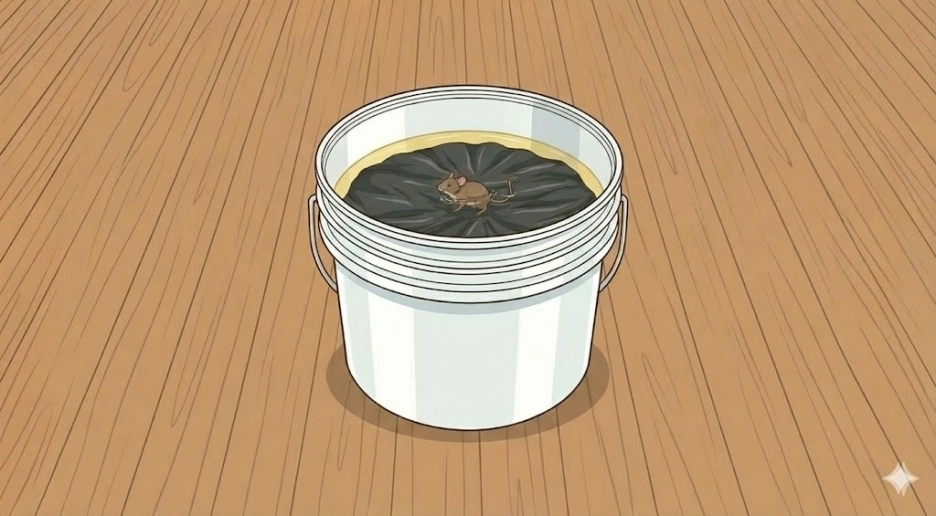
7. Check the trap the next morning.
When the mouse jumps onto the black bag to eat the fruit or chocolate, the plastic will instantly crumple under their weight, plunging them into the oil and water.
- Disposal:
- If you catch a mouse, take the bucket at least 5 miles (8 km) away from your home to release it. Wear gloves when handling the bucket.
- Add to "Things You'll Need" Section:
- 5-gallon (19 L) bucket
- Cooking oil (Vegetable or Canola)
- Water
- Black plastic trash bag (wrinkled/textured)
- Variety bait (Peanuts, Chocolate, Peanut Butter, Chopped Fruit)
- Paper towels
- Ramp material (wood plank)
—
Responses (0)
Loading comments...


