Reading style
What Smells Do Mice Hate? Science vs. Myth
Strong odors may annoy rodents briefly, but smell-based hacks rarely solve established infestations.


Search results for "what smells do mice hate" are everywhere.
Peppermint oil, dryer sheets, soap, vinegar, ammonia.
Most lists promise a cheap, natural fix.
In established infestations, that promise usually fails.
Why Smells Usually Fail
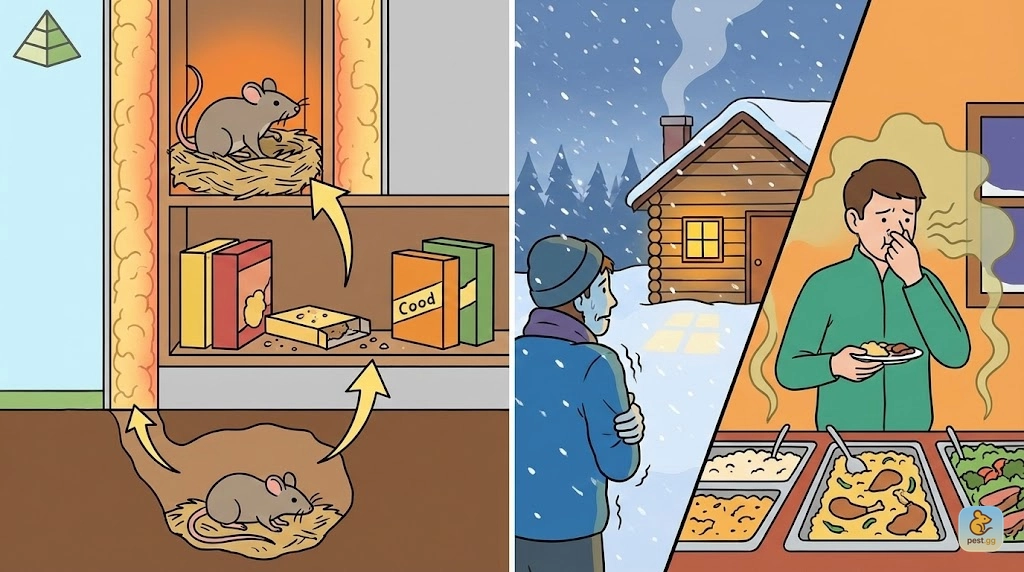
Rodent behavior is driven by survival priorities: shelter, food, water, then comfort.
If food and nesting access remain, temporary odor discomfort often does not force evacuation.
UC IPM notes that no repellents have been found to solve rodent problems for more than a short period. [1]
Busting the Top Myths
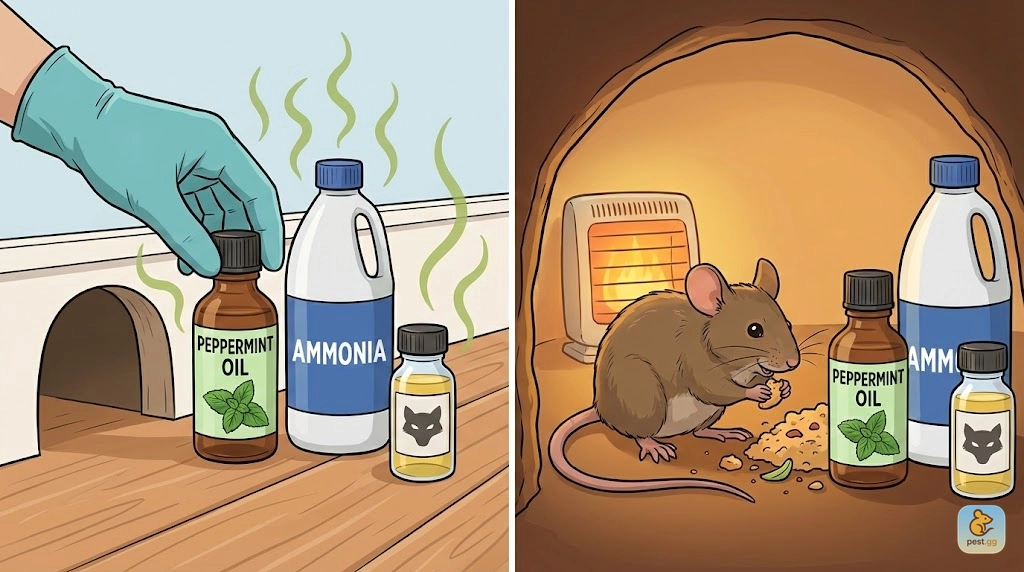
Peppermint Oil
Strong smell can create short-term aversion near the immediate source.
But sustained whole-home control is uncommon.
Dryer Sheets and Soap
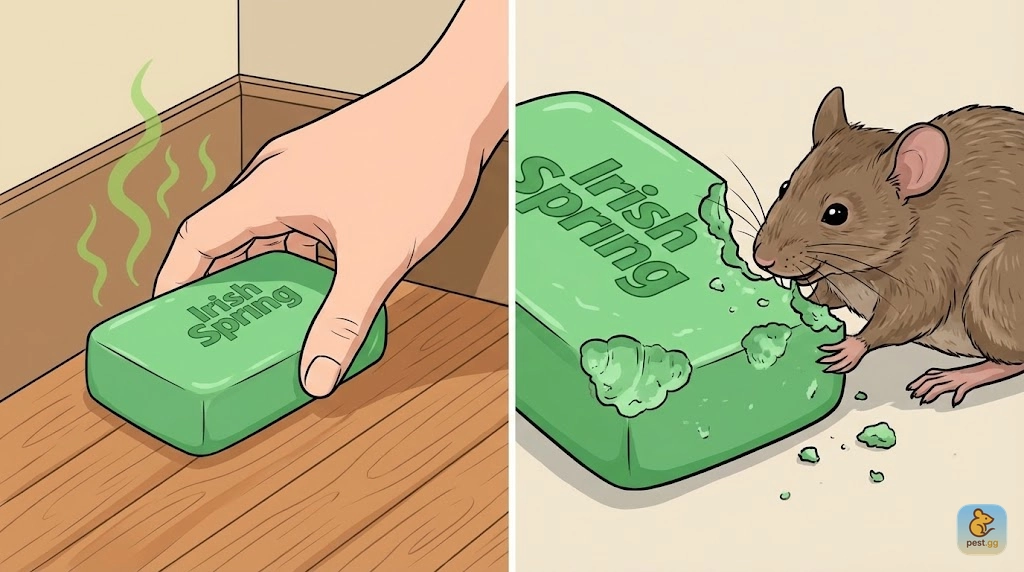
These are popular online tips, but field reliability is poor.
Rodents can adapt if food/shelter pressure remains.
Mothballs
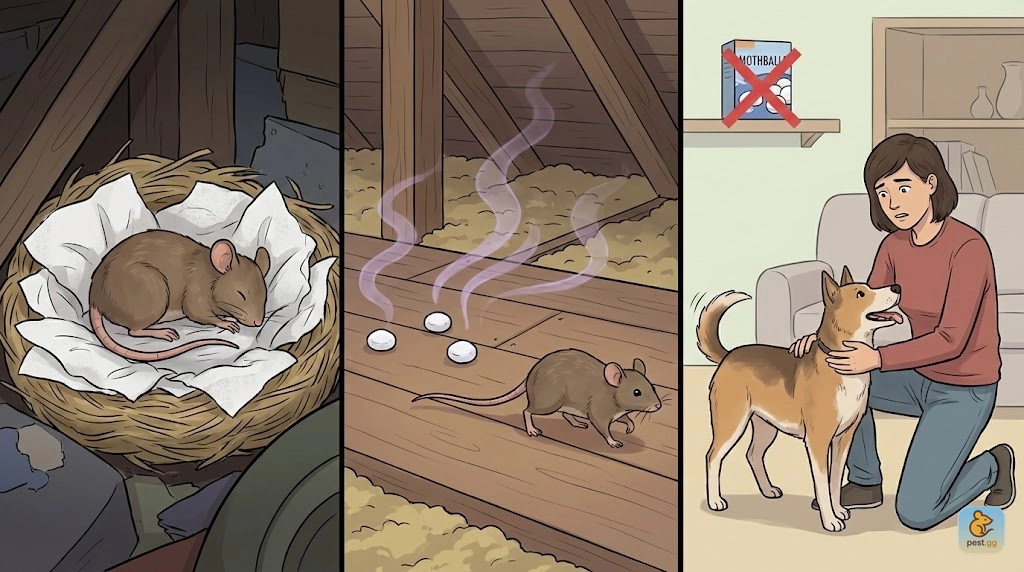
Mothballs are pesticides and should be used only per label.
EPA highlights health and misuse risks; they are not a general-purpose home rodent strategy. [4]
Vinegar / Ammonia
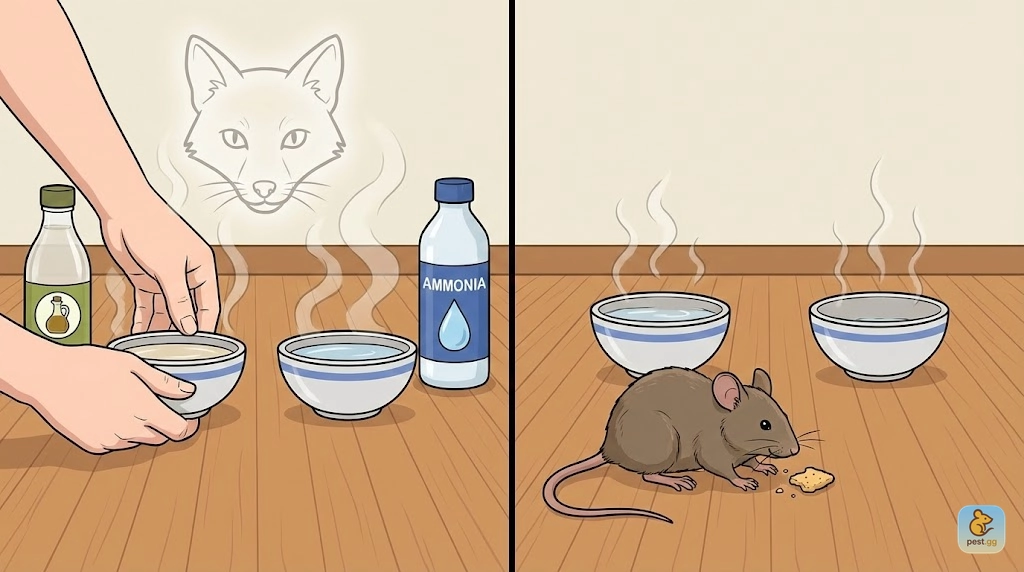
These odors may be unpleasant, but odor alone is not a durable structural solution.
Without exclusion and trapping, activity often returns.
Is There Any Exception?
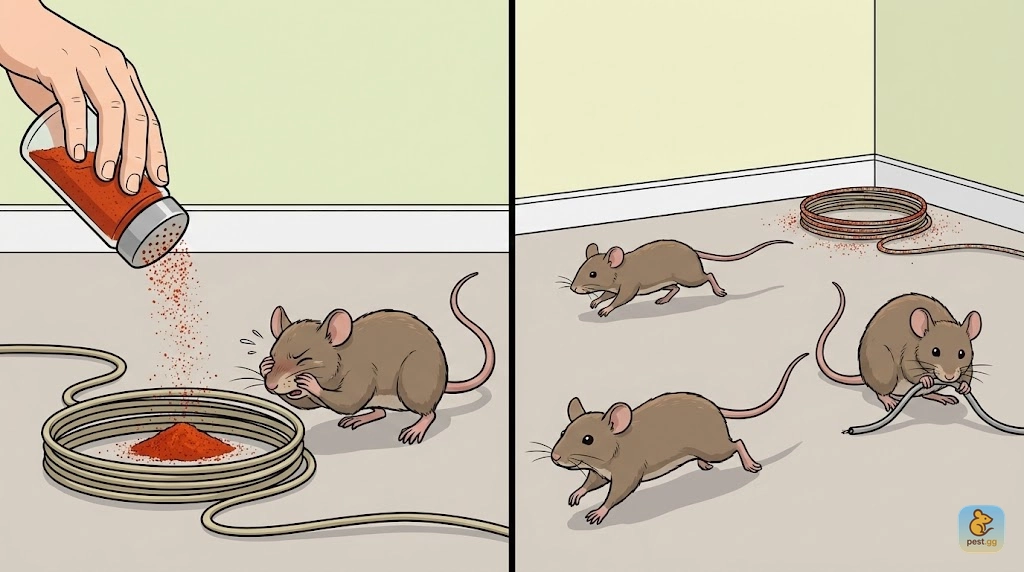
Capsaicin products can help protect specific objects (for example, localized chew-prone areas).
But object-level protection is different from clearing an entire home.
For active infestations, you still need removal and exclusion.
What Actually Works
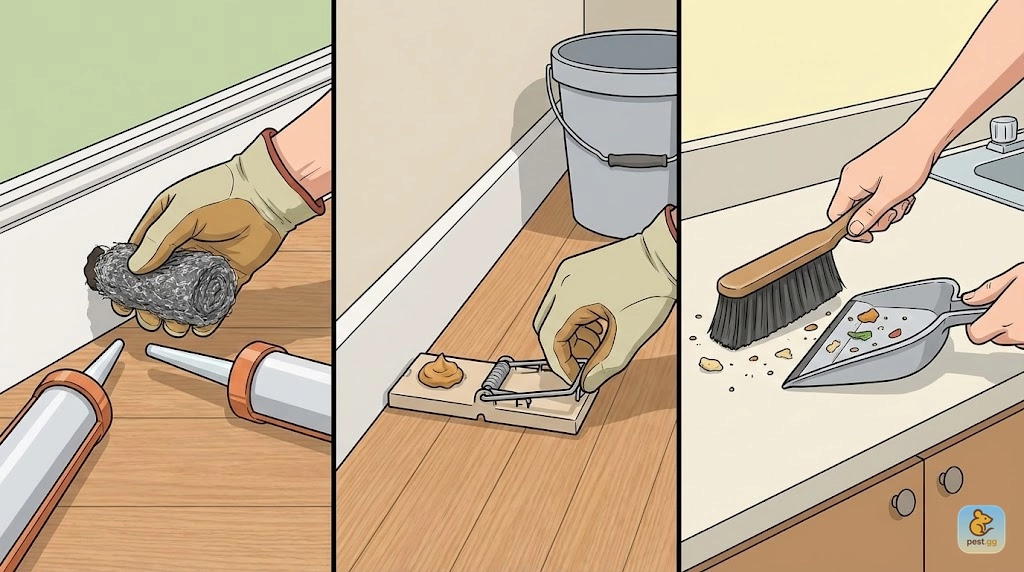
Exclusion First
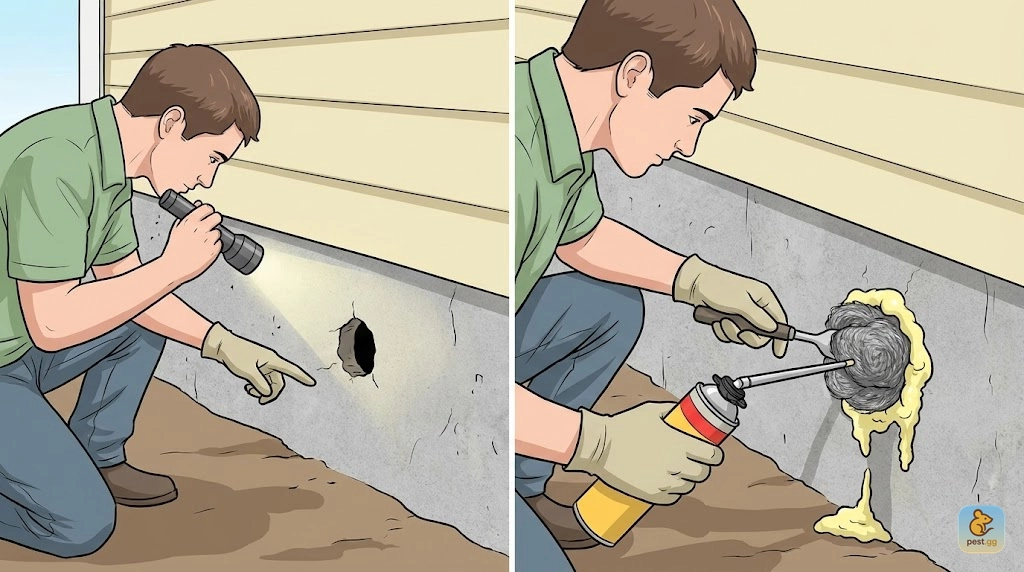
Seal entry points and structural gaps.
CDC guidance: mice can fit through very small openings (about 1/4 inch); seal with steel wool and caulk/foam. [3]
Trapping Second
Use route-based placement along walls and known activity zones. [2]
Sanitation Always
Reduce food access, clutter, and nesting materials.
The Bucket Option
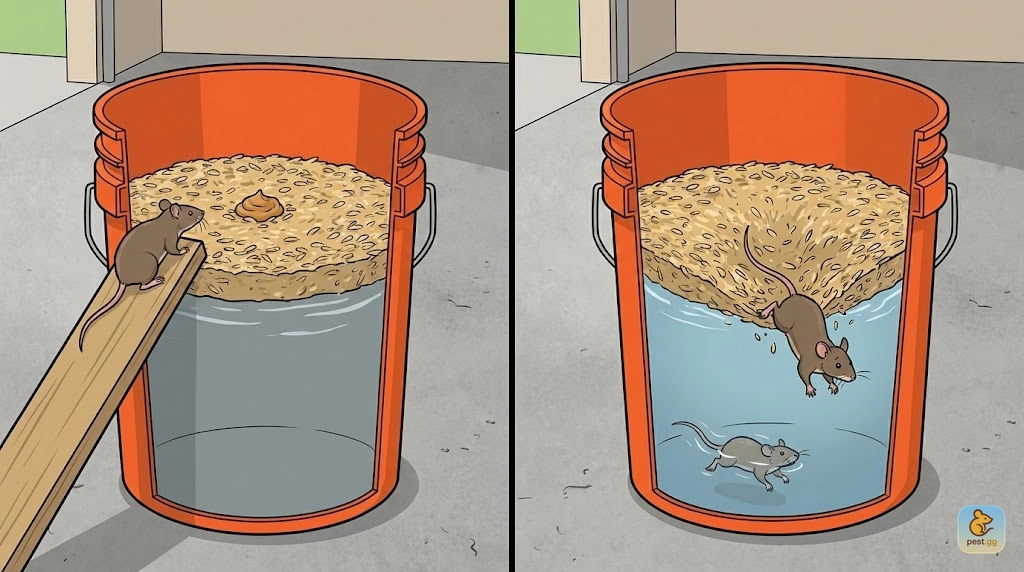
For higher-volume mouse activity in garages or sheds, bucket-style systems can reduce reset burden.
They still require daily checks, safe handling, and follow-up exclusion.
FAQ
Do ultrasonic repellers work?
UC IPM notes rodents can quickly habituate to repeated sound, making these devices ineffective for sustained control. [1]
Is there a pet-safe approach?
Avoid toxic bait as a default.
Use controlled trap placement and inaccessible deployment zones, then seal entry points. [1][2][3]
Can I use live traps?
Live trapping requires immediate, responsible follow-up handling.
UC IPM does not recommend casual live trapping by nonprofessionals in typical household scenarios. [1]
Conclusion
What smells do mice dislike?
Plenty.
Will smell alone solve a real infestation?
Usually no.
Use physics and process instead of fragrance:
seal, trap, sanitize, and verify.
References
—
Responses (0)
Loading comments...


