Reading style
What is the Best Mouse Trap? (The Honest Truth)
There is no single perfect trap. The best option depends on infestation size, safety constraints, and your tolerance for handling.


Search online for "the best mouse trap," and you will see endless rankings.
But there is no single perfect trap.
The best choice depends on your home, your risk tolerance, and who shares that space with you.
The Comparison Matrix
Use this matrix as a practical starting point.
| Trap Type | "Gore" Level | Success Rate | Child/Pet Safety | Maintenance | Best For... |
|---|---|---|---|---|---|
| Snap Trap (Classic) | High (Blood/Guts) | High | Low (Finger risk) | Low | Budget-focused control. |
| Electronic Trap | Low visibility | High | Medium/High | Medium/High | Users who prefer enclosed disposal. |
| Live Catch | None | Medium | Medium/High | High | Users willing to relocate immediately. |
| Glue Board | High suffering risk | Low/Medium | Medium | Low | Generally not recommended. |
| Bucket Trap | Low | High (for mice) | High | Low | Higher-volume mouse pressure. |
| These ratings are based on field guidance and practical use constraints. [1][2] |
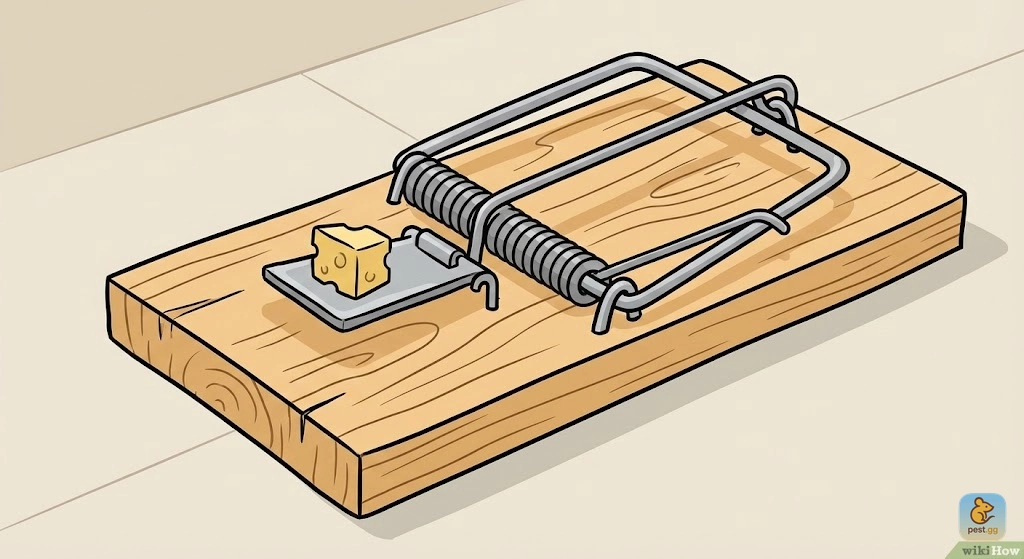
The Snap Trap (Wooden or Plastic)
Snap traps remain a core tool because they are fast, inexpensive, and reusable. [1][2]
What works
When positioned correctly on active runways, they can be highly effective.
Where people fail
- Misfires: poor trigger sensitivity can wound instead of dispatching cleanly.
- Bait theft: soft bait may be licked off without enough trigger force.
- Placement errors: random placement underperforms versus wall-run positioning. [1][2]
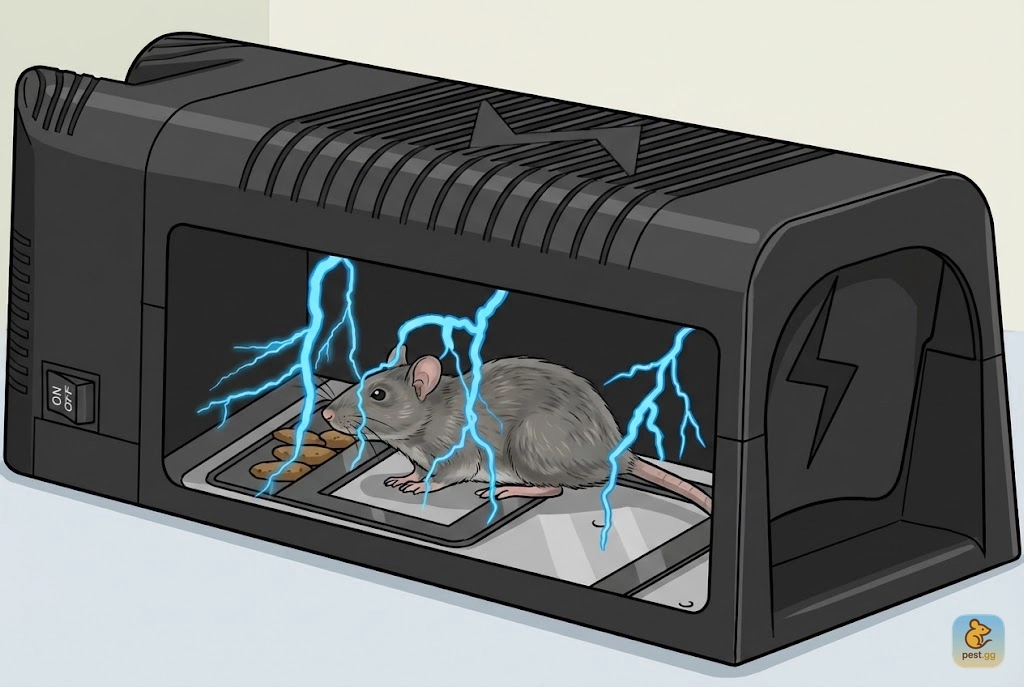
The Electronic Trap
Electronic traps can reduce visual exposure for users who dislike traditional snap traps.
What works
A closed chamber design can simplify handling and disposal.
Trade-offs
- They cost more than standard snap traps.
- They require frequent checks and interior cleaning after catches. [2]
- Prebaiting can still be necessary in cautious rodent populations. [2]
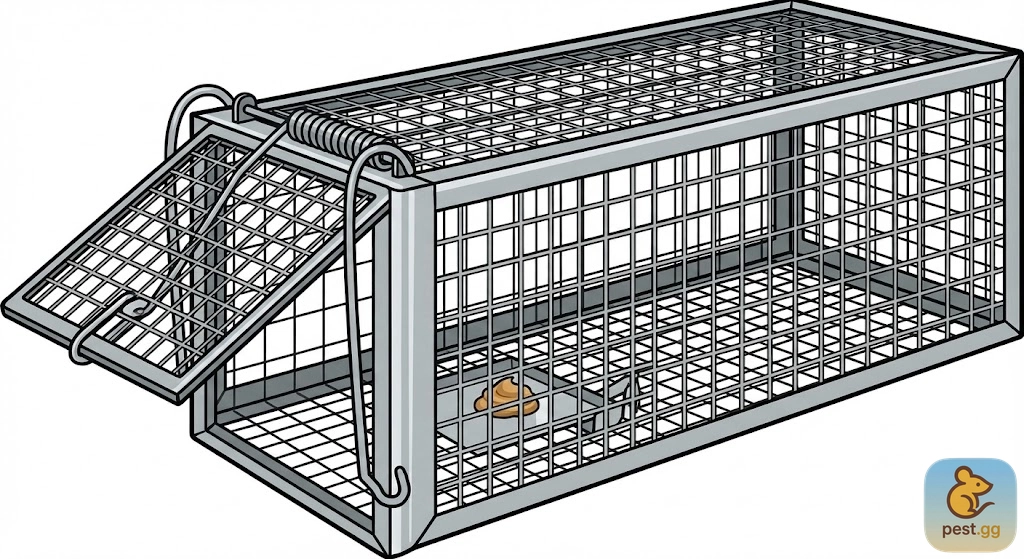
The Live Catch (Catch & Release)
Live-catch devices appeal to users prioritizing nonlethal handling.
What works
They can capture without immediate killing.
Trade-offs
- You must manage relocation immediately and responsibly.
- Delay can cause severe stress or death from exposure/dehydration.
- Some extension guidance does not recommend casual release because of health and ecosystem concerns. [2]
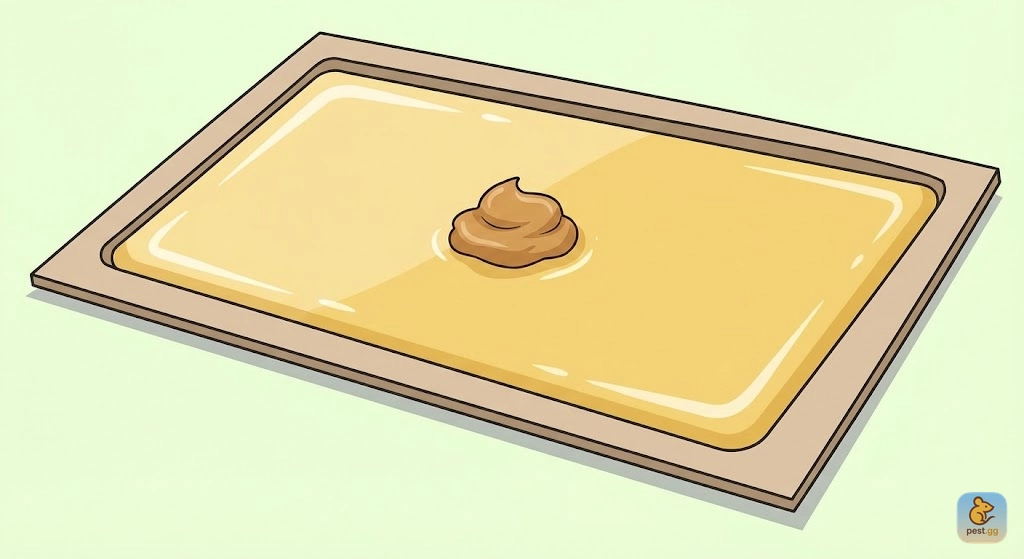
Glue Traps / Sticky Boards
Glue boards are commonly sold but often perform poorly outside expert placement conditions.
Key concerns
- They are generally not recommended for nonprofessional use.
- Non-target animals (including pets/wildlife) can be harmed.
- Dust and debris can quickly reduce effectiveness. [2]
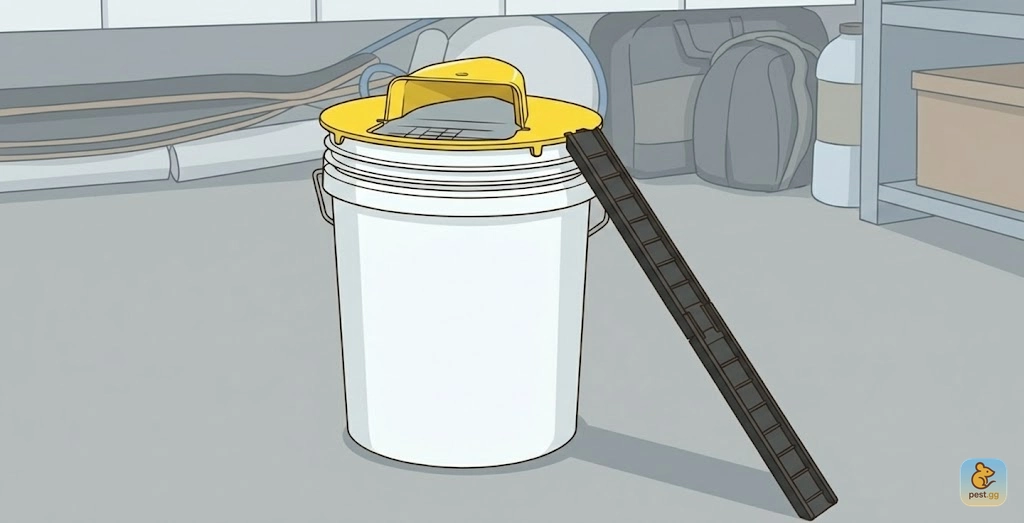
The Bucket Trap (High-Volume Use Case)
Bucket-style systems can work well for repeated mouse activity in garages, sheds, and similar spaces.
What works
They can support multi-catch scenarios and low reset effort.
Limitations
- Results are usually better for mice than for highly cautious rats.
- Neophobic rats may avoid unstable or novel surfaces for days. [2]
- Setup quality (height, lid stability, lure placement) strongly affects outcomes.
Verdict: Which is Best for You?
Choose Snap Trap if
- You want low cost and high speed.
- You can handle direct carcass visibility.
Choose Electronic Trap if
- You want enclosed handling.
- You accept higher device cost and cleaning overhead.
Choose Bucket Trap if
- You are handling recurring mouse activity.
- You want a reusable high-volume setup.
Choose Live Catch if
- You are ready for immediate relocation workflow.
- You accept the extra handling burden.
Conclusion
Knowing how to catch mice is about strategy, not hype.
Pick the trap that matches your constraints, then execute placement and monitoring correctly. [1][2]
References
—
Responses (0)
Loading comments...


