Reading style
How to Get Rid of Mice Naturally: The Truth About Humane Traps
Natural-sounding shortcuts often fail alone. Reliable control combines exclusion, route-based trapping, and sanitation.


Many products promise rodent control without handling, without cleanup, and without hard decisions.
Most of those shortcuts fail when infestation pressure is real.
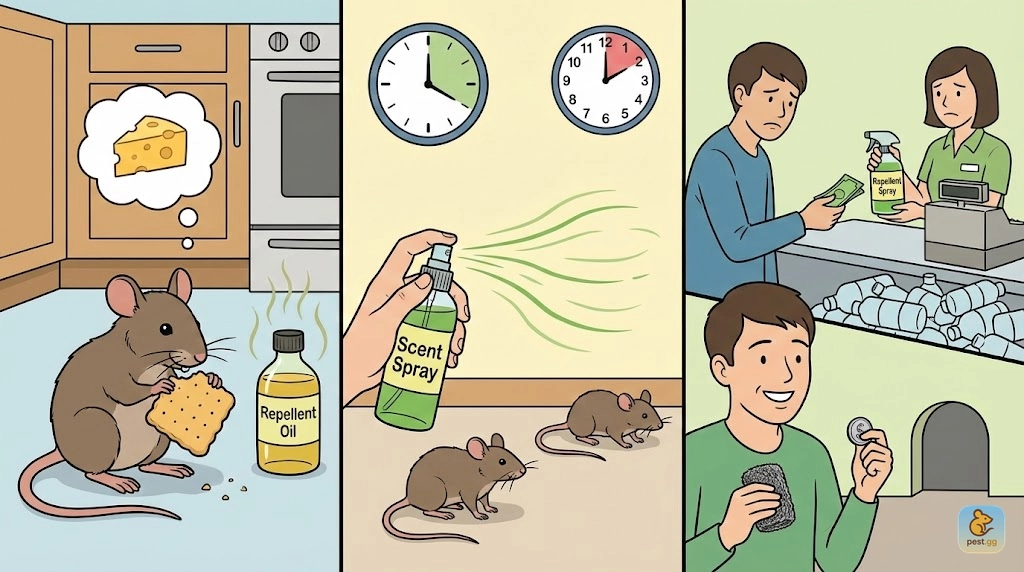
Myth 1: "Spray a scent and they leave"
Scent-only methods are attractive because they feel low-risk.
But repellency is usually temporary and inconsistent.
UC IPM notes that no repellents have been found to solve rodent problems for more than a short period. [1]
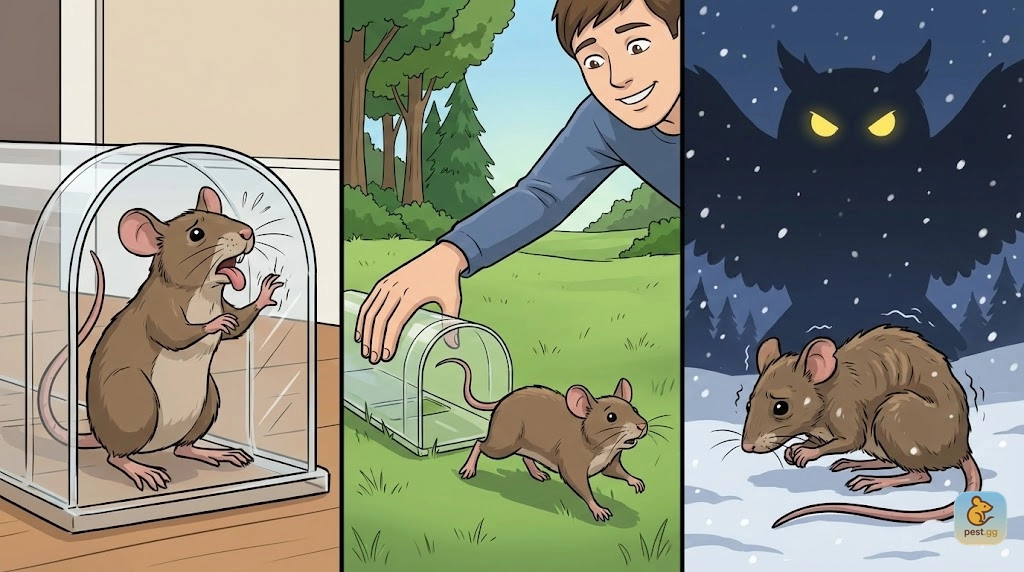
Myth 2: "Catch and release is always humane"
Live capture can be done, but it requires immediate and responsible follow-up handling.
Delay increases stress and welfare risk for captured animals.
UC IPM does not recommend casual live trapping by nonprofessionals in typical household settings. [1]
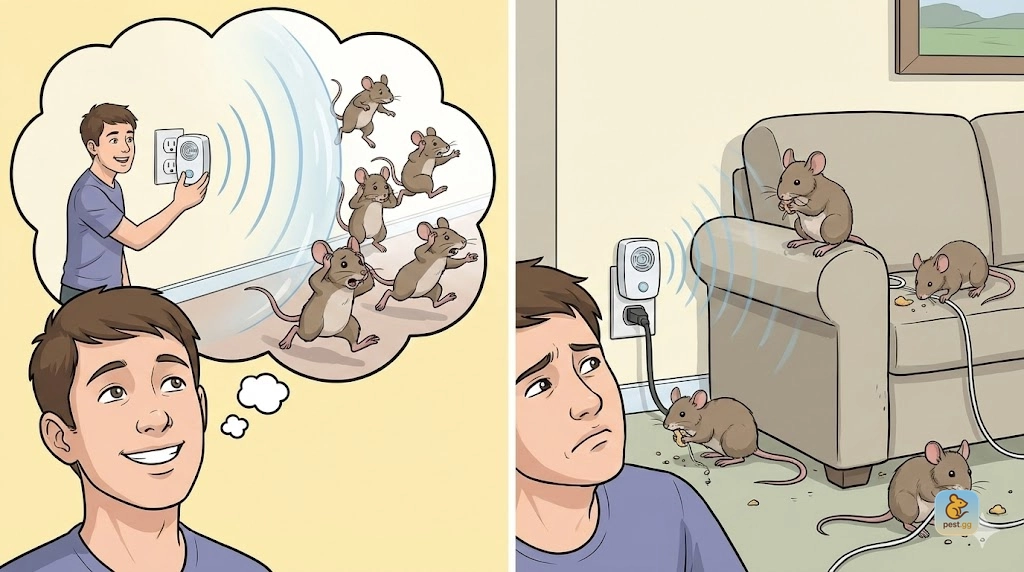
Myth 3: "Ultrasonic waves solve the problem"
Rodents can adapt to repeated sound cues.
Sound deterrence without exclusion and removal is rarely durable. [1]
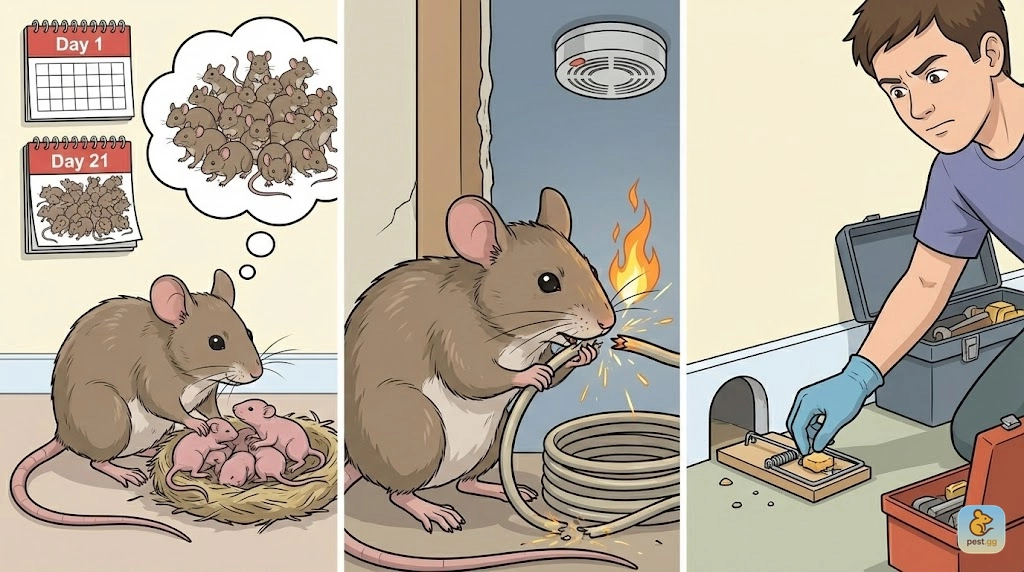
Why Speed Matters
When active rodents remain indoors, damage and contamination risk continue.
Waiting too long on low-effect interventions can increase structural and sanitation costs.
That is why control plans should start with proven mechanics, not passive deterrence.
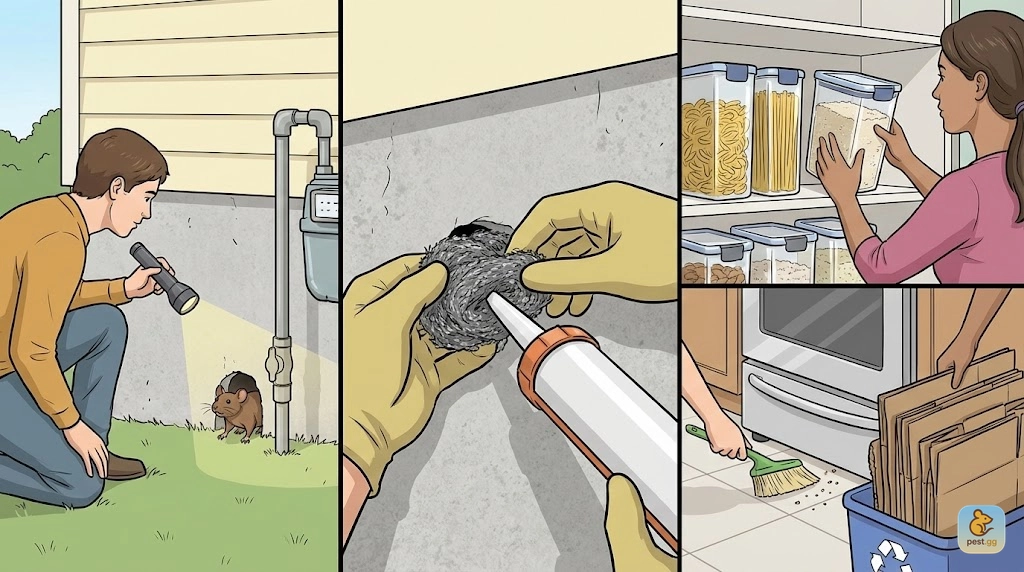
Real Solution 1: Exclusion (Prevention Protocol)
Inspect
Check foundations, utility penetrations, vents, and garage transitions.
Seal
CDC guidance: mice can fit through openings around 1/4 inch.
Fill small gaps with steel wool and lock in place with caulk or foam. [3]
Sanitize
Store food in sealed containers, remove crumbs, and reduce nesting clutter.
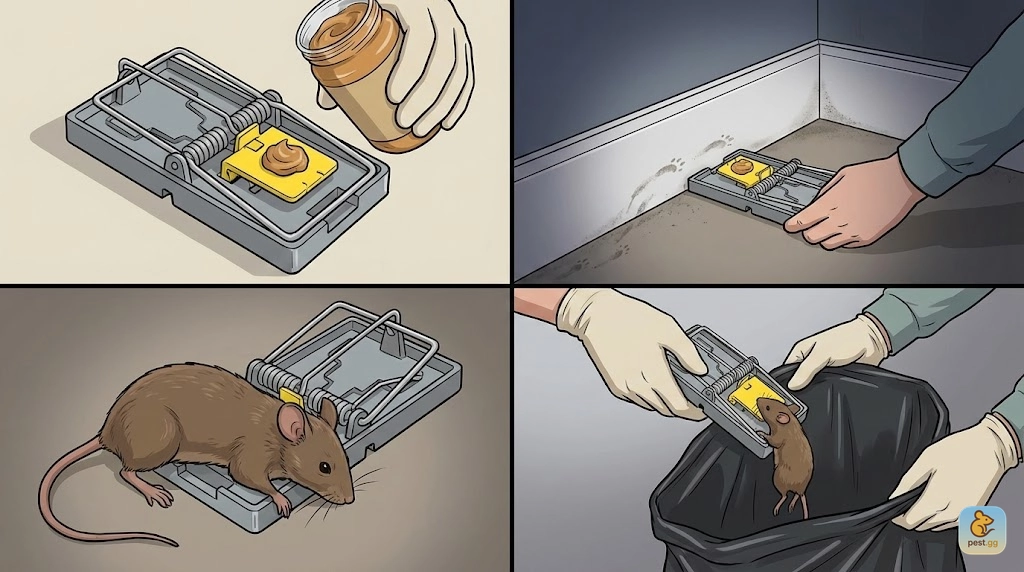
Real Solution 2: Trap Placement (Active Removal)
For most homes, snap traps remain a practical baseline.
Place traps on wall routes and near signs of activity.
Check, reset, and clean routinely. [2]
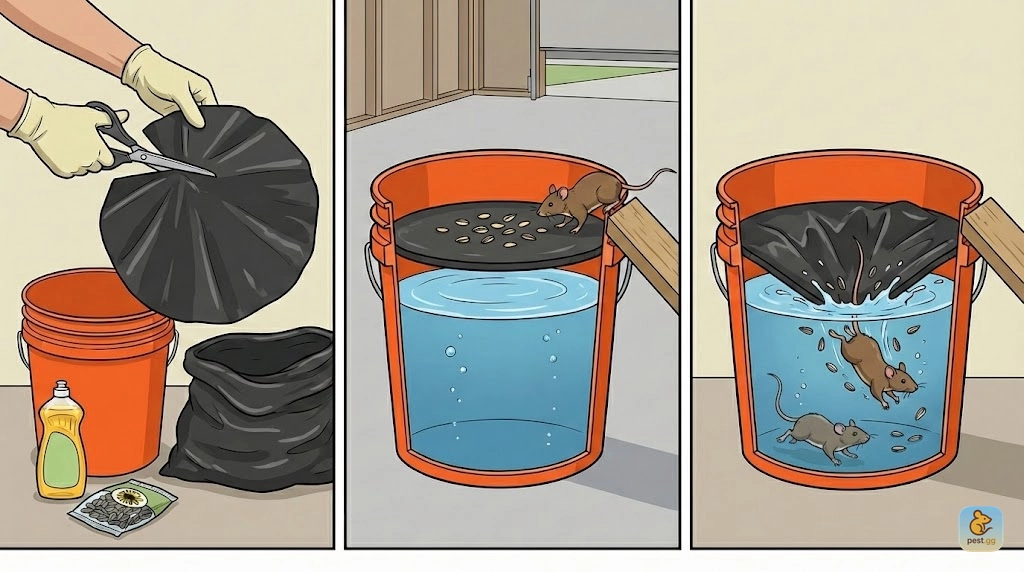
Real Solution 3: High-Volume Option (Bucket Workflow)
In garages, basements, or sheds with heavier mouse pressure, bucket-style systems can reduce reset frequency.
They are still process-dependent: setup quality, frequent checks, and exclusion follow-through.
For live-catch use, ensure responsible handling workflow is planned in advance.
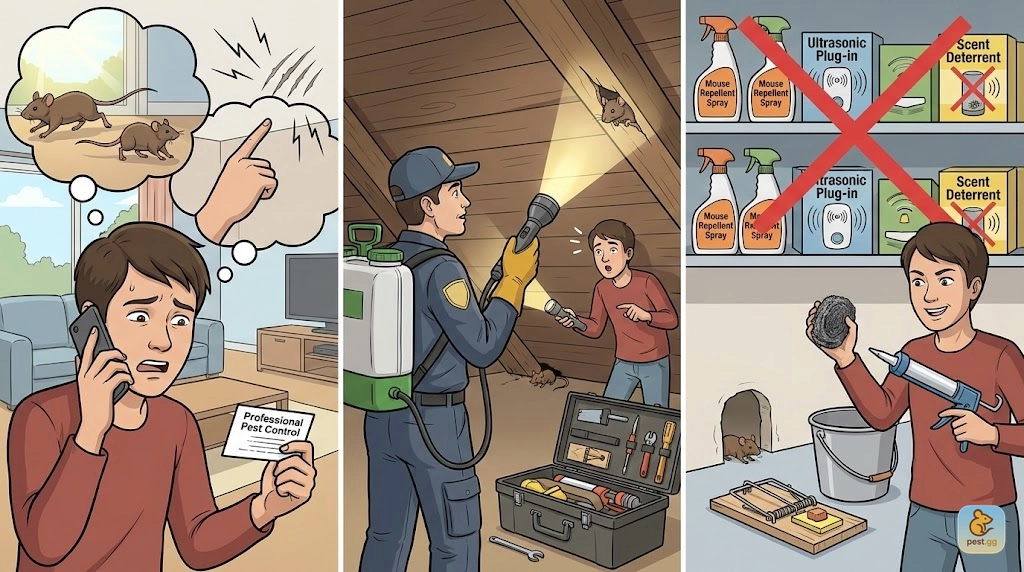
When to Call a Professional
Consider professional support when:
- activity persists despite correct trap placement,
- daytime sightings increase,
- structural access points are complex,
- or sanitation risk is escalating.
Conclusion
Natural-sounding products are not a substitute for process.
Reliable results come from a repeatable system:
exclude entry, trap on routes, sanitize attractants, and verify outcomes weekly. [1][2][3]
References
—
Responses (0)
Loading comments...


