Reading style
Do Ultrasonic Repellents Work? The Truth on How to Catch Mice
Plug-in ultrasonic devices sound convenient, but long-term rodent control still depends on trapping, exclusion, and sanitation.


The promise is simple: plug in a device and rodents disappear.
No traps. No cleanup. No dead mice.
But sustained control rarely works that way.
The "Starvation" Logic
Understand the hierarchy of survival.
Rodents prioritize food, shelter, and safety.
If those needs are met in your structure, annoyance alone usually will not displace them.
UC IPM guidance notes that rats quickly adapt to repeated sounds and that frightening devices, including ultrasonic sound, are ineffective for home/garden control. [1]

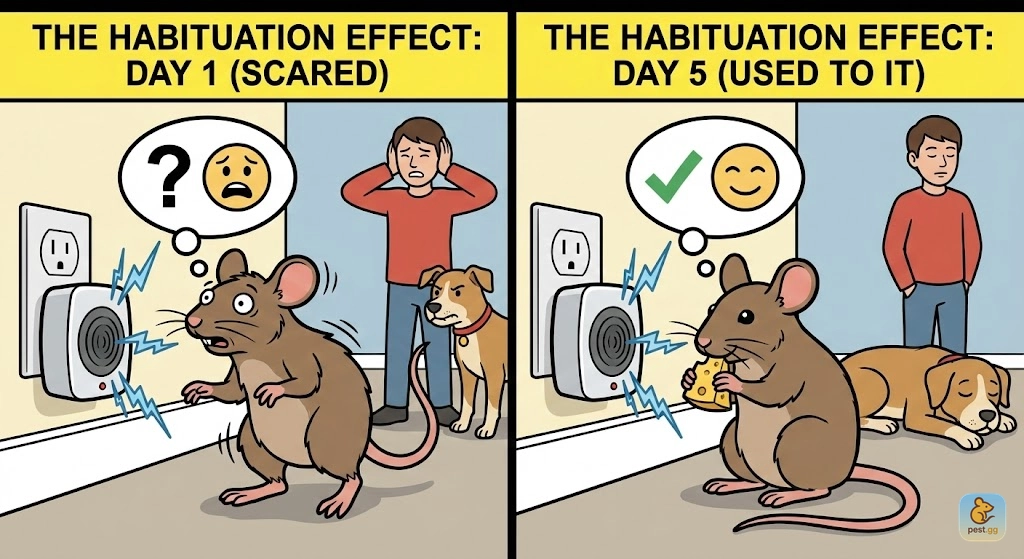
The "Background Noise" Effect
Even if sound causes an initial reaction, repeated exposure can reduce response over time.
This habituation pattern is one reason professional control programs prioritize trapping, exclusion, and sanitation over sound-only gadgets. [1][2]
The Physics Problem
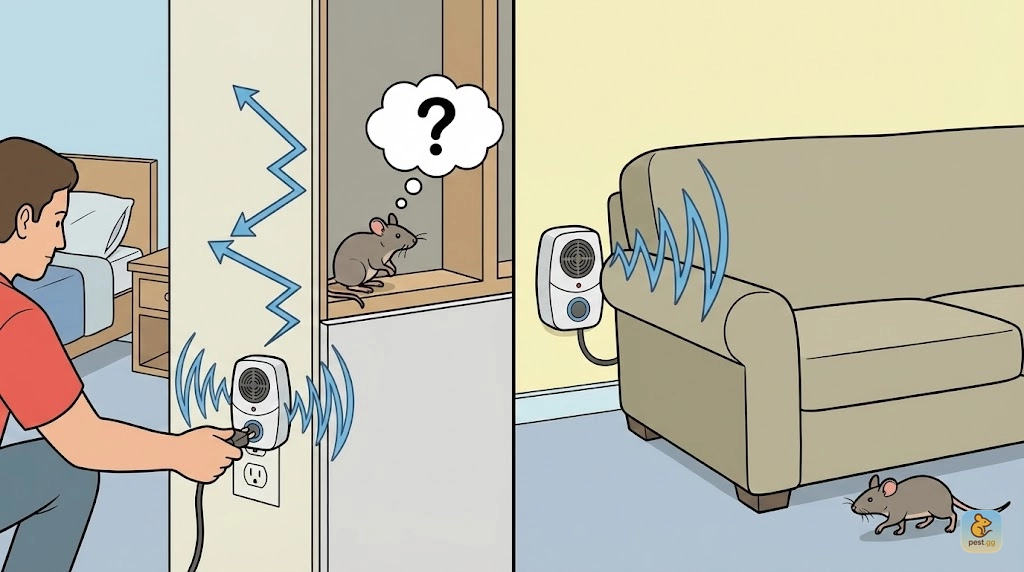
Ultrasound has practical coverage limits.
In real homes, room layout, furniture, and barriers make uniform coverage difficult.
That means performance can vary sharply by placement and structure geometry.
In practice, unresolved food access and entry points usually dominate outcomes. [2][3]
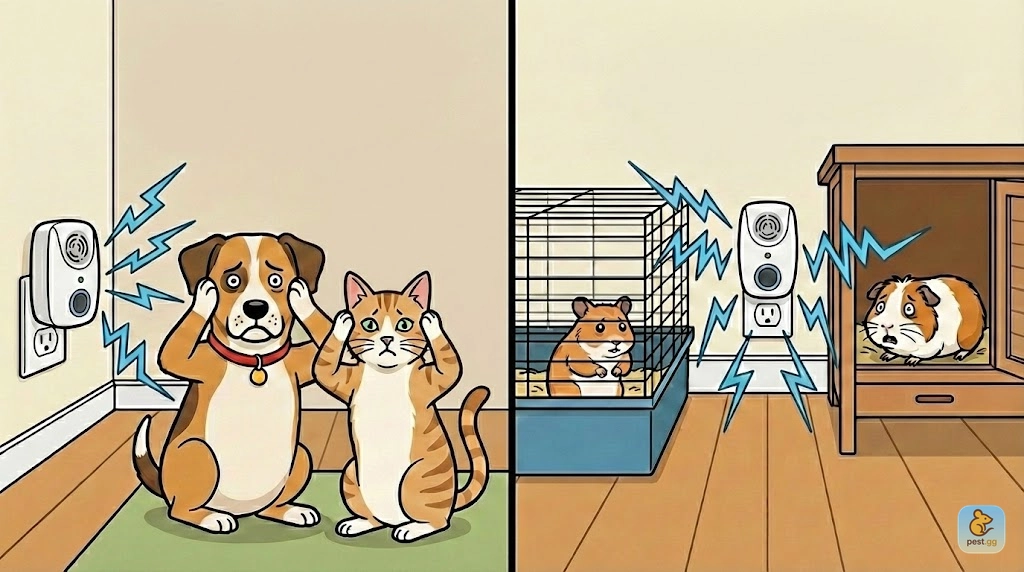
The Hidden Risk: False Confidence
The biggest operational risk is delay.
When people trust repellers alone, active infestation can continue while breeding and contamination persist.
Early trap deployment and exclusion are typically more reliable than waiting for a deterrent effect. [1][2]
The Real Solution: How to Catch Mice
The Classic Snap Trap
Snap traps remain a core recommendation for residential control.
Use proper bait amount and route-based placement along walls and runways. [2]
The Bucket Strategy (High Volume)
Bucket-style systems can reduce reset burden in high-activity spaces like garages and sheds.
They still require good lure placement and regular checks.
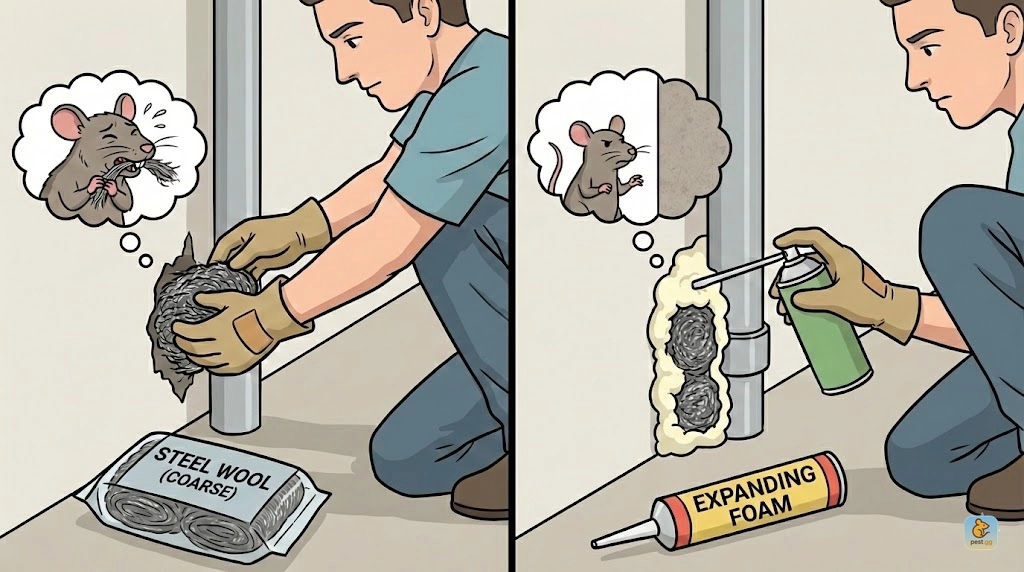
Physical Exclusion
Seal entry points.
CDC guidance: mice can pass through holes around 1/4 inch; fill small holes with steel wool and seal with caulk or foam. [3]
What to Avoid
Avoid relying on one gadget as a standalone solution.
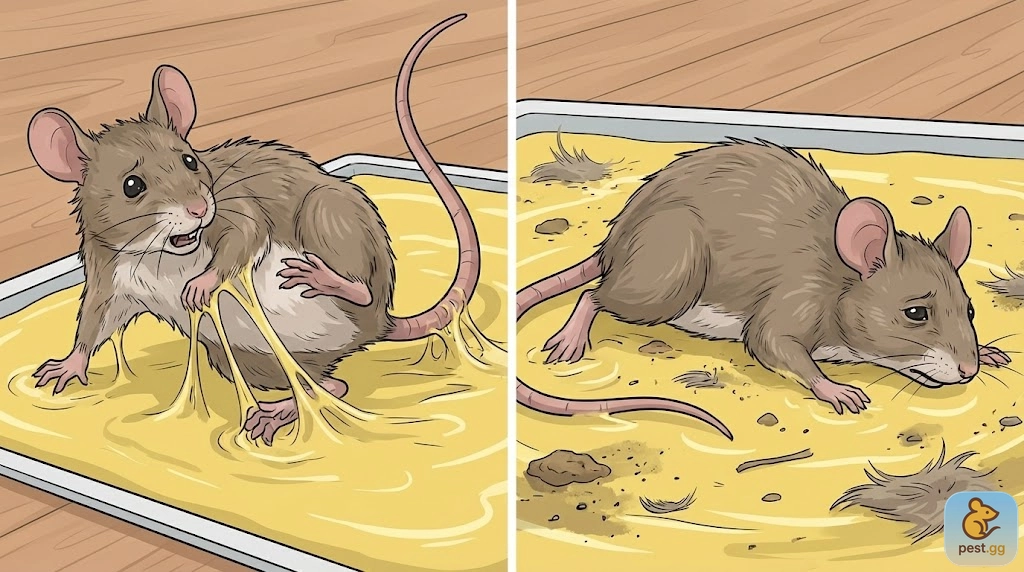
Also avoid glue boards as a default household method; UC IPM notes they are difficult to use and generally not recommended for nonprofessional use. [1]
Conclusion
For real pest control, replace wishful deterrence with execution:
trap correctly, seal entry points, remove attractants, and maintain follow-up checks.
That workflow outperforms sound-only promises. [1][2][3]
References
—
Responses (0)
Loading comments...


