Reading style
The Best Mouse Trap Bait: A Chef's Guide
Do not apply peanut butter blindly. This guide helps you choose bait based on actual rodent behavior instead of guesswork.


Do not apply peanut butter blindly.
This guide teaches you how to choose the best bait by reading real behavior at home.
Investigating the "Crime Scene"
Inspect damaged food first.
Do not guess. Learn what the rodent is already eating.
Inspect your pantry and food packages first.
Use that evidence to pick bait the animal already trusts. [1]
Rodents can be cautious around unfamiliar food and objects, especially after pressure from traps. [1]
Found a chewed box of crackers? Use crackers.
Found a gnawed bag of rice? Use rice grains.
The Rule: if they eat it already, start from that profile.

Observe their dietary "mood."
If you set traps with peanut butter and get no results, rotate bait.
Some nights, high-fat bait works better. Other nights, fresh food with moisture draws more activity.
Check what was recently nibbled in your kitchen and match that pattern.
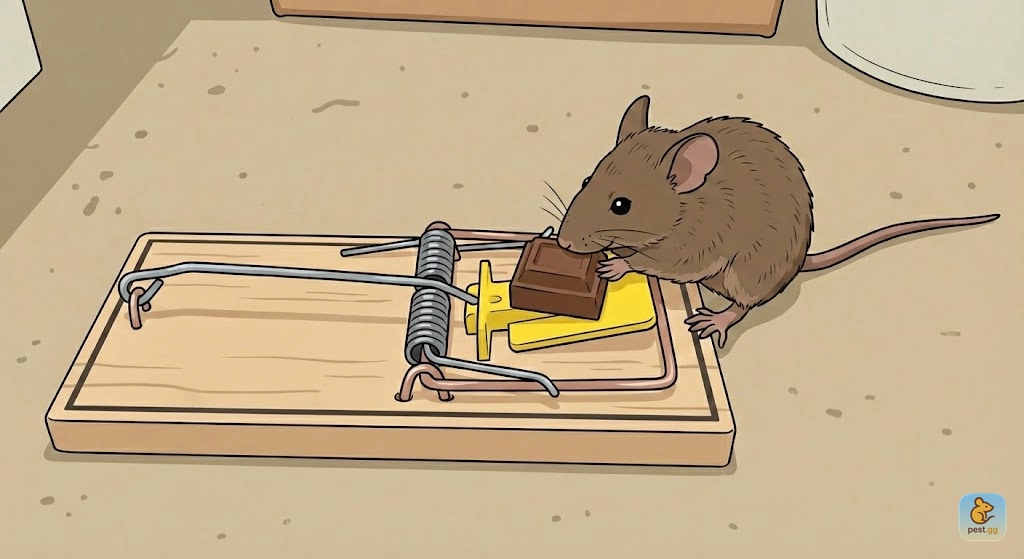
Use the "Pre-Baiting" technique.
Place food on the trap for a short period.
Do not set the trigger yet.
After they feed and return, activate the trigger.
This reduces avoidance and supports better first-shot success. [1]
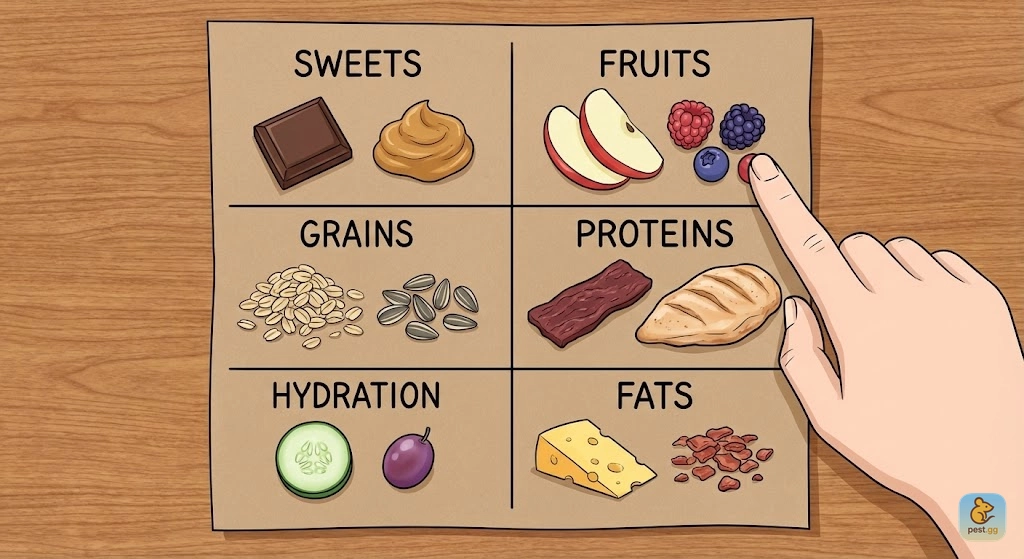
Thinking Like a Chef
Create a "Balanced Dish."
Do not rely on one ingredient.
A mixed bait profile can improve attraction when a single option stalls.
Combine dry and fresh textures so the scent profile is broader.
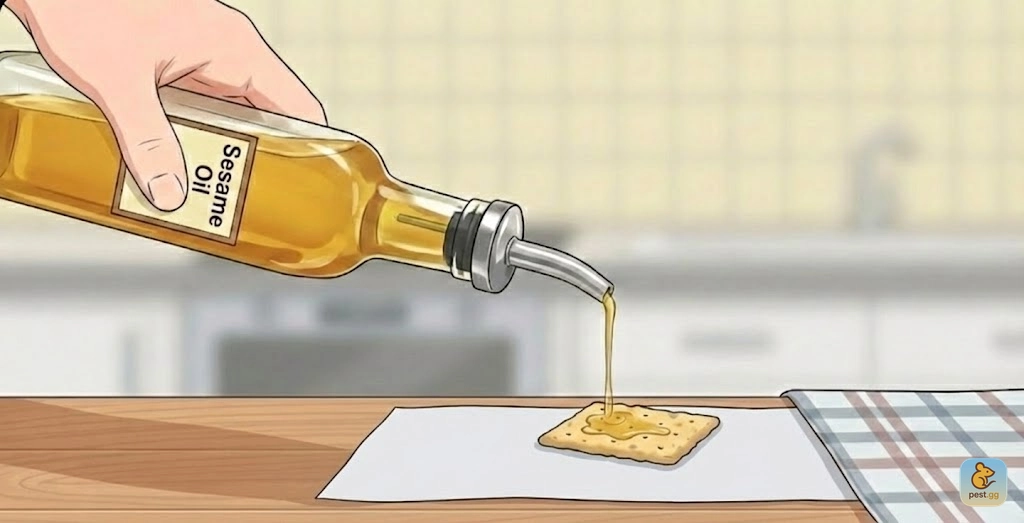
Enhance aroma with "Seasoning" oils.
Scent strongly influences travel decisions around a trap path. [1]
Use small amounts only.
- Sesame Oil: One drop can cut through background odors.
- Vanilla Extract: Often increases curiosity around sweet bait.
- Bacon Grease: A strong option for higher-fat lure profiles.
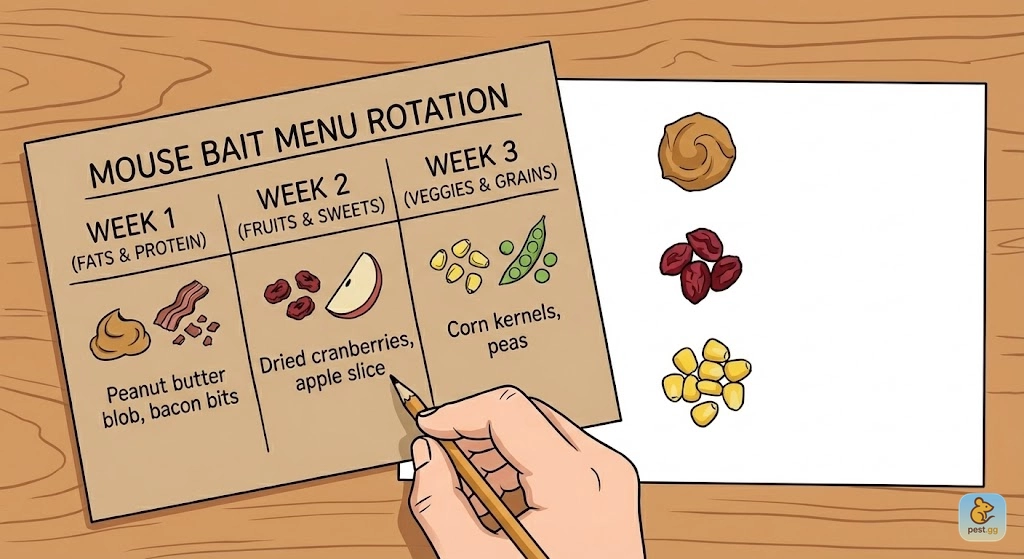
Rotate the menu.
If one bait worked once but then stopped, do not keep repeating it.
Switch from fats to grains or fruit and observe changes over 2-3 nights.
Adaptive bait rotation is often more effective than static baiting.
Selecting the Right Texture
Understand the "Licking Problem."
Peanut butter can be stolen in tiny amounts.
Rodents may lick soft bait without applying enough force to fire a standard trigger.
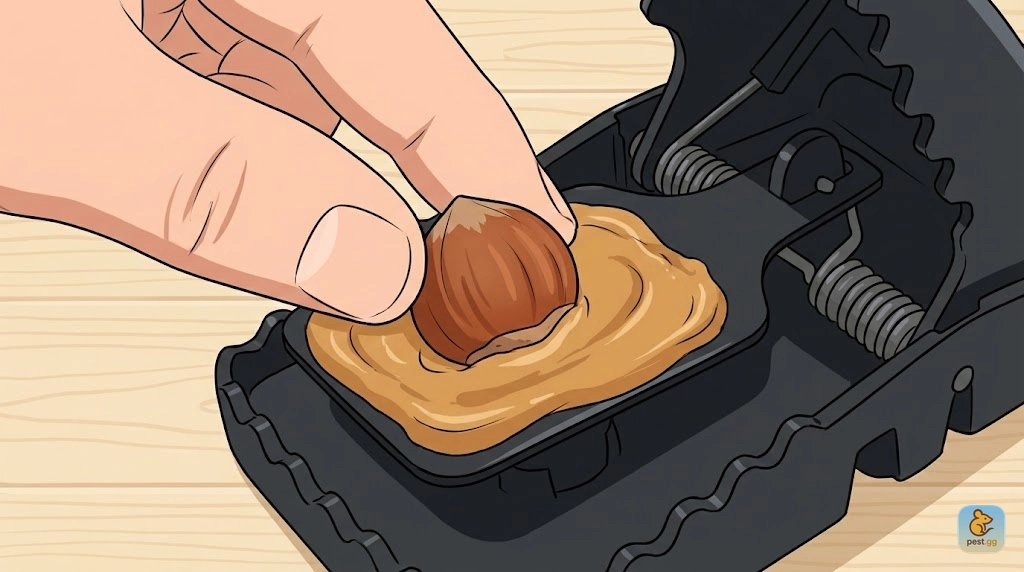
Use solid, "draggable" baits.
Use bait that requires a pull, not only licking.
Try a whole nut or firm jerky fragment fixed on the trigger.
Use a "Sticky Base."
Use a thin sticky layer on the trigger plate.
Press the solid bait into that layer so the rodent must tug to remove it.
That added force improves trigger activation probability. [1]
Applying Bait to Advanced Traps
The same bait logic applies to snap traps, electronic traps, and bucket systems.
Even when learning how to catch mice with a barrel, scent and bait placement remain the core lure mechanics.
The "False Floor" Connection
If you use a false-floor bucket setup, place the aromatic bait at the exact center.
Center placement forces commitment and reduces edge-feeding behavior.
Expert Tips for Success
- Wear Gloves: Avoid leaving extra human scent while handling bait and traps.
- Nesting Material: In cold seasons, some rodents respond to warm nesting material cues.
- Patience: Leave trap positions stable long enough for repeat route use.
- Placement: Put traps along walls and active runways, where rodents naturally travel. [1][2]
Conclusion
By thinking like a chef, you improve your bait strategy.
The best bait is the one your target rodent is already willing to approach tonight.
References
—
Responses (0)
Loading comments...


