B-TIER
Classification
WikiExclusionB-TIER
TitleSilicone Caulk
Read Time2 min
PublishedMar 13, 2026
Silicone Caulk
Class: Exclusion
Flexible sealing compound profile for finishing small penetrations and weather-exposed edges in exclusion projects.
Silicone Caulk
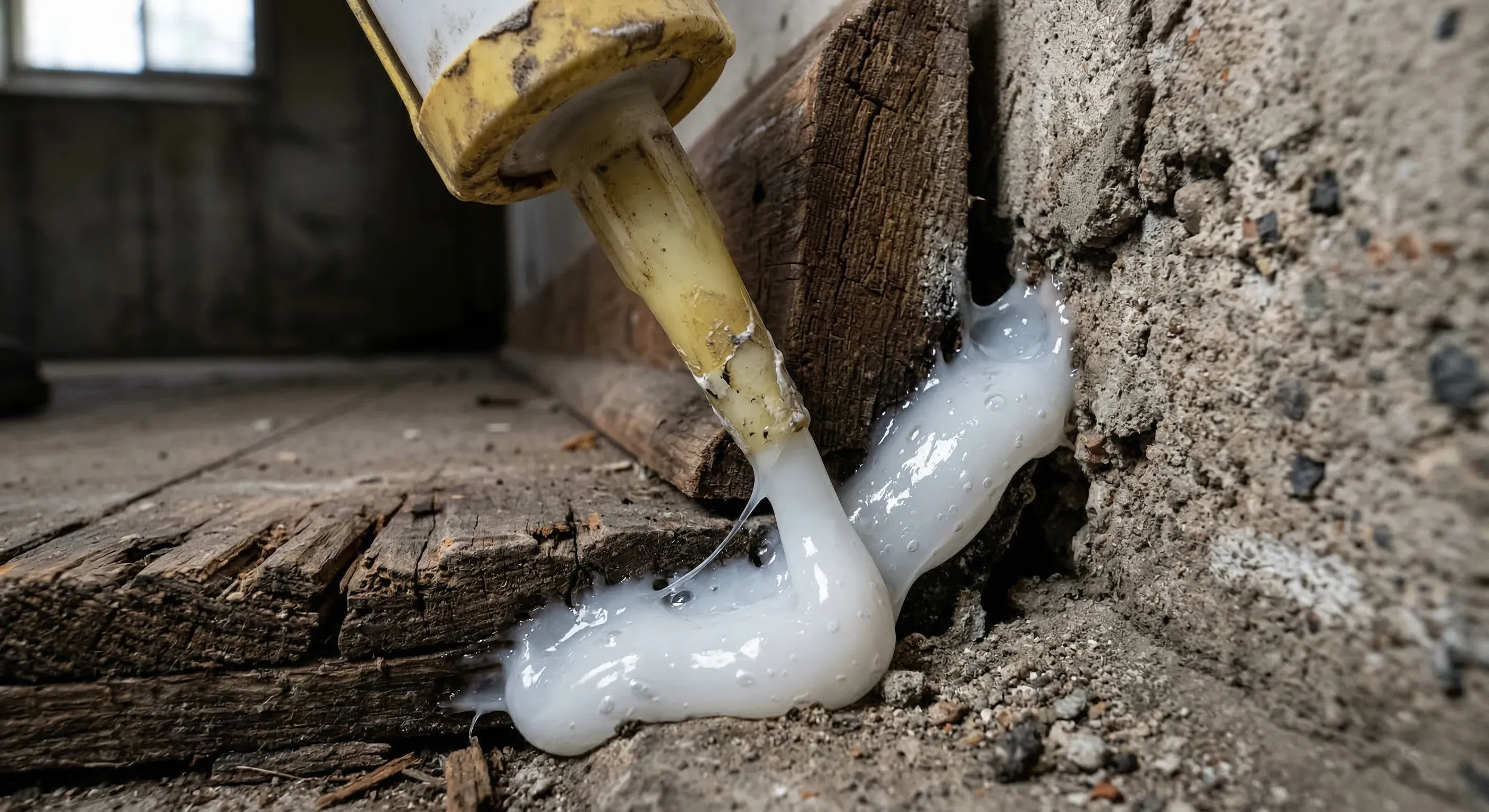
Silicone caulk is the finishing layer that turns stuffed gaps and small penetrations into weather-resistant exclusion seals. It is flexible, durable, and useful where movement or outdoor exposure would crack weaker fillers.
Overview
In rodent work, silicone is rarely the first material into the gap. It is the locking and finishing layer that keeps the barrier intact over time while also resisting moisture and weather.
Best Use Cases
- small edge gaps
- finish work over copper mesh or steel wool
- trim joints and utility edges
- damp or weather-exposed sealing points
Strengths
- flexible under expansion and contraction
- weather resistant
- clean finish over stuffed materials
- better longevity than brittle patch compounds
Flaws
- poor choice for very large openings
- easy to misuse as a cosmetic-only surface bead
- weak if there is no structural filler underneath
Installation Notes
- Clean the surface first.
- Pack chew-resistant filler where needed.
- Apply silicone deeply enough to lock the filler.
- Inspect after curing and after the first severe weather cycle.
Conclusion
Silicone caulk is essential finish material in exclusion work. It does its best work when it locks a real barrier in place rather than pretending to replace one.
Explore the Pest.gg Wiki